
Thai Cuisine Myths Debunked: Your Questions Answered by Zaap Thai
Thai cuisine is renowned for its vibrant flavors, aromatic herbs, and balance of sweet, sour, salty, and spicy elements. However, there are several myths surrounding this beloved cuisine that often lead to misconceptions. In this post, we aim to debunk these myths and provide clarity, so you can enjoy Thai food with a deeper understanding.
Myth 1: Thai Food is Always Spicy
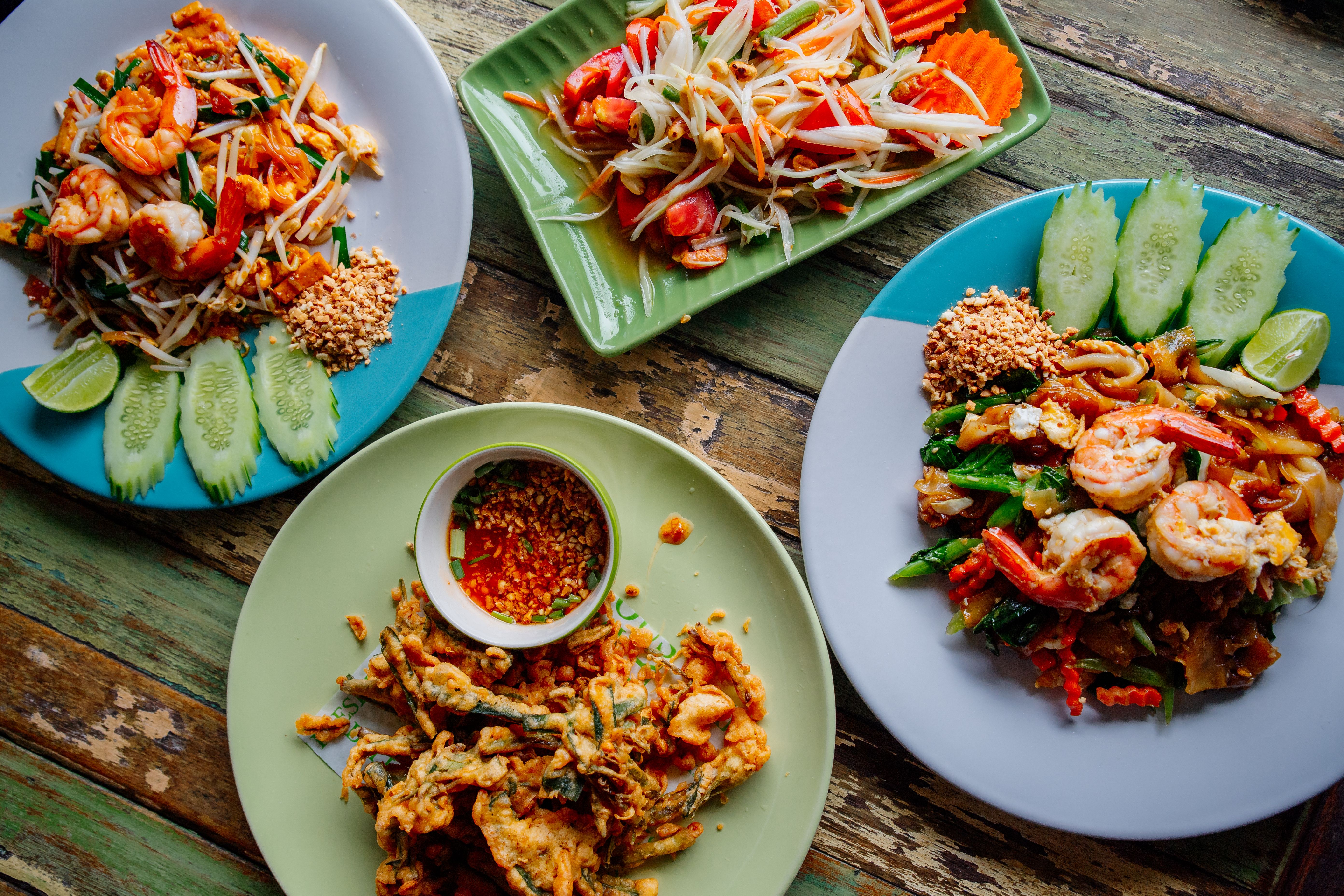
One of the most common myths about Thai cuisine is that it’s overwhelmingly spicy. While it’s true that Thai food can be spicy, it’s not always the case. Many dishes, such as Pad Thai or Massaman Curry, are more sweet and savory than spicy. Thai cuisine is all about balance, and you can often request the level of spice you prefer when ordering.
Understanding the Spice Levels
Thai restaurants typically offer a range of spice levels to cater to different palates. From mild to extra spicy, you're in control of how much heat you want in your meal. Plus, dishes like Tom Kha Gai (coconut soup) are known for their rich, creamy taste with just a hint of spice.
Myth 2: All Thai Food Contains Fish Sauce
Fish sauce is a staple in many Thai dishes, but it’s not an ingredient in every single one. Thai cuisine is diverse, and dishes like Pad See Ew or certain types of fried rice can be prepared without fish sauce. For those with dietary restrictions, many restaurants offer alternatives or can omit it upon request.
Alternatives and Customization
There are plenty of vegetarian and vegan options available in Thai cuisine. Ingredients like soy sauce, tamari, or mushroom sauce can be used as substitutes for fish sauce, making it accessible for everyone to enjoy.
Myth 3: Thai Food Is Unhealthy
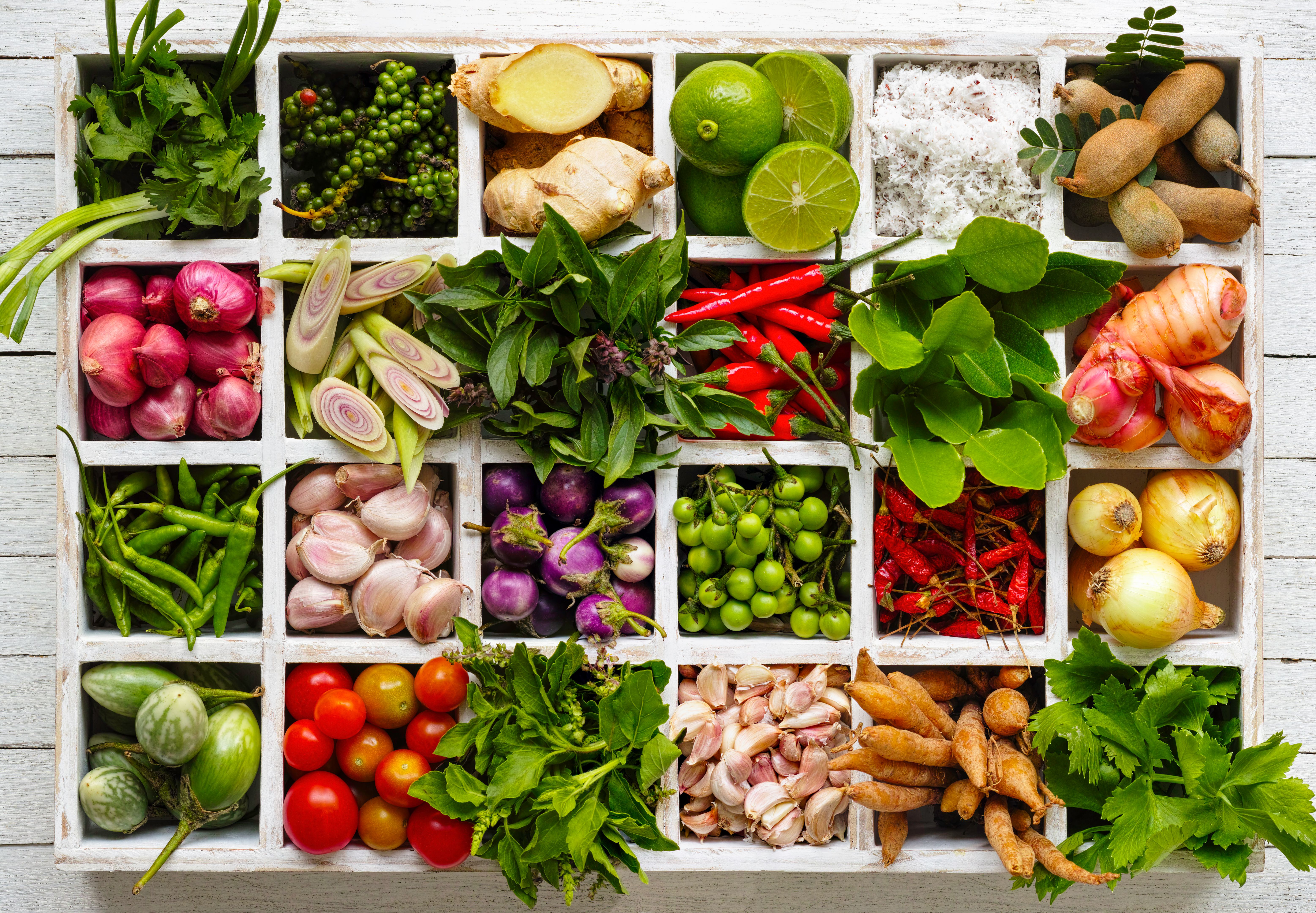
Some people assume that Thai food is unhealthy because of its rich flavors. However, traditional Thai dishes often use fresh herbs, vegetables, and lean proteins, which contribute to a balanced and nutritious meal. Ingredients like lemongrass, ginger, and garlic not only add flavor but also offer health benefits.
Choosing Healthier Options
When dining out, you can make healthier choices by opting for grilled or steamed dishes, like Gai Yang (grilled chicken) or Yam Talay (seafood salad). These dishes are packed with nutrients and are a great way to enjoy Thai flavors without the extra calories.
Myth 4: Thai Food is the Same Everywhere
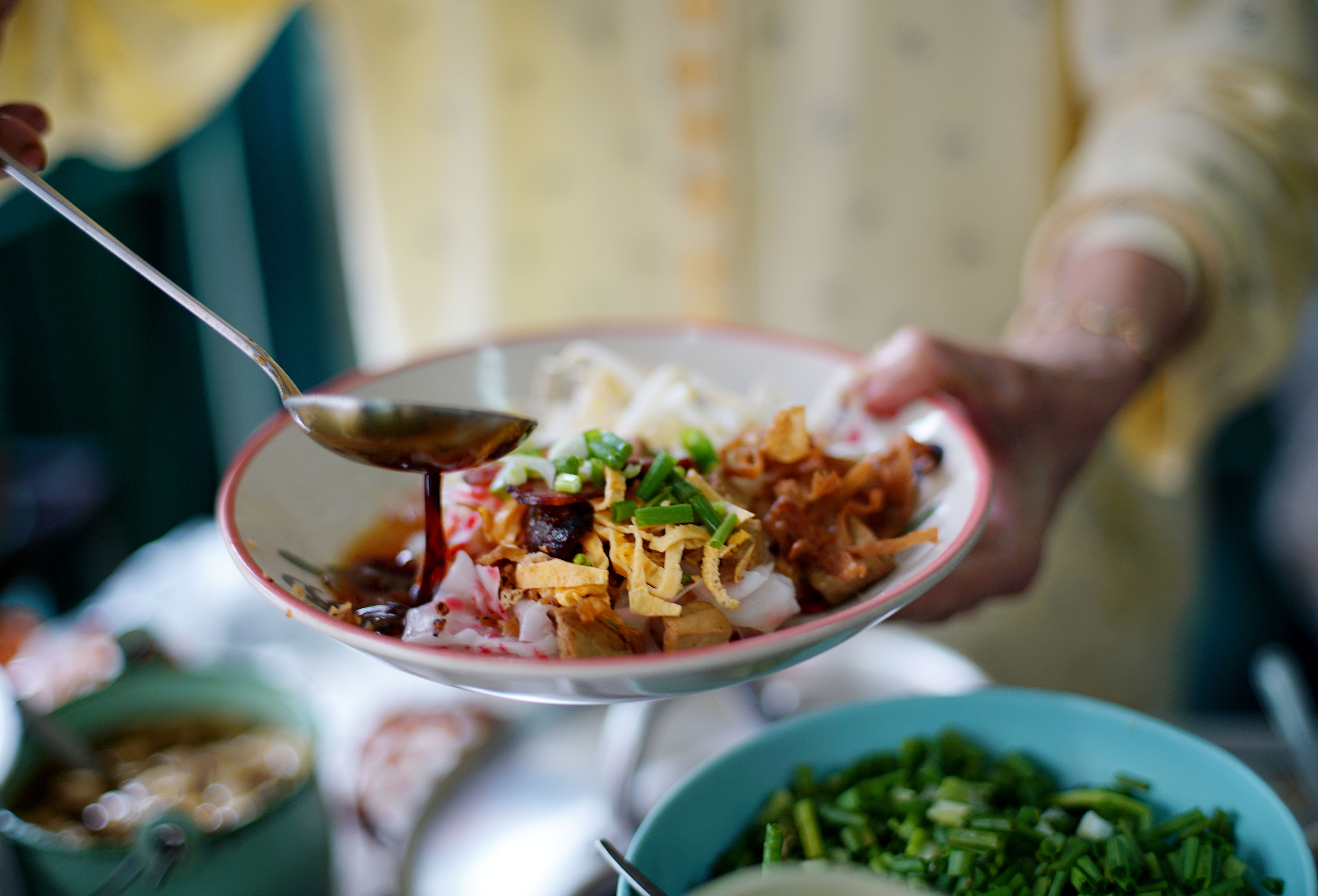
Thai cuisine is incredibly diverse and varies significantly by region. Northern Thai food tends to be milder, with influences from neighboring Myanmar, while Southern Thai dishes are often spicier and more coconut-rich due to Malaysian influences. Exploring the regional differences can lead to discovering new favorites.
Regional Specialties
Each region in Thailand offers unique specialties. For example, the northeast is known for its spicy Som Tum (papaya salad), while the central region is famous for its aromatic Tom Yum Goong (spicy shrimp soup). Trying dishes from different regions can broaden your culinary horizons.
With these myths debunked, you can now appreciate Thai cuisine in its true form. Whether you’re a fan of spicy dishes or prefer something milder, Thai food has something for everyone. Next time you visit a Thai restaurant, consider trying something new and savor the rich tapestry of flavors that Thai cuisine has to offer.