
Vegetarian Thai Cooking Tips from Zaap Thai's Chefs
Introduction to Vegetarian Thai Cooking
Thai cuisine is renowned for its vibrant flavors and aromatic dishes. At Zaap Thai, our chefs specialize in crafting delicious and authentic vegetarian Thai meals that captivate the senses. Whether you're a seasoned cook or just starting, these tips will elevate your culinary skills.
Understanding Key Ingredients
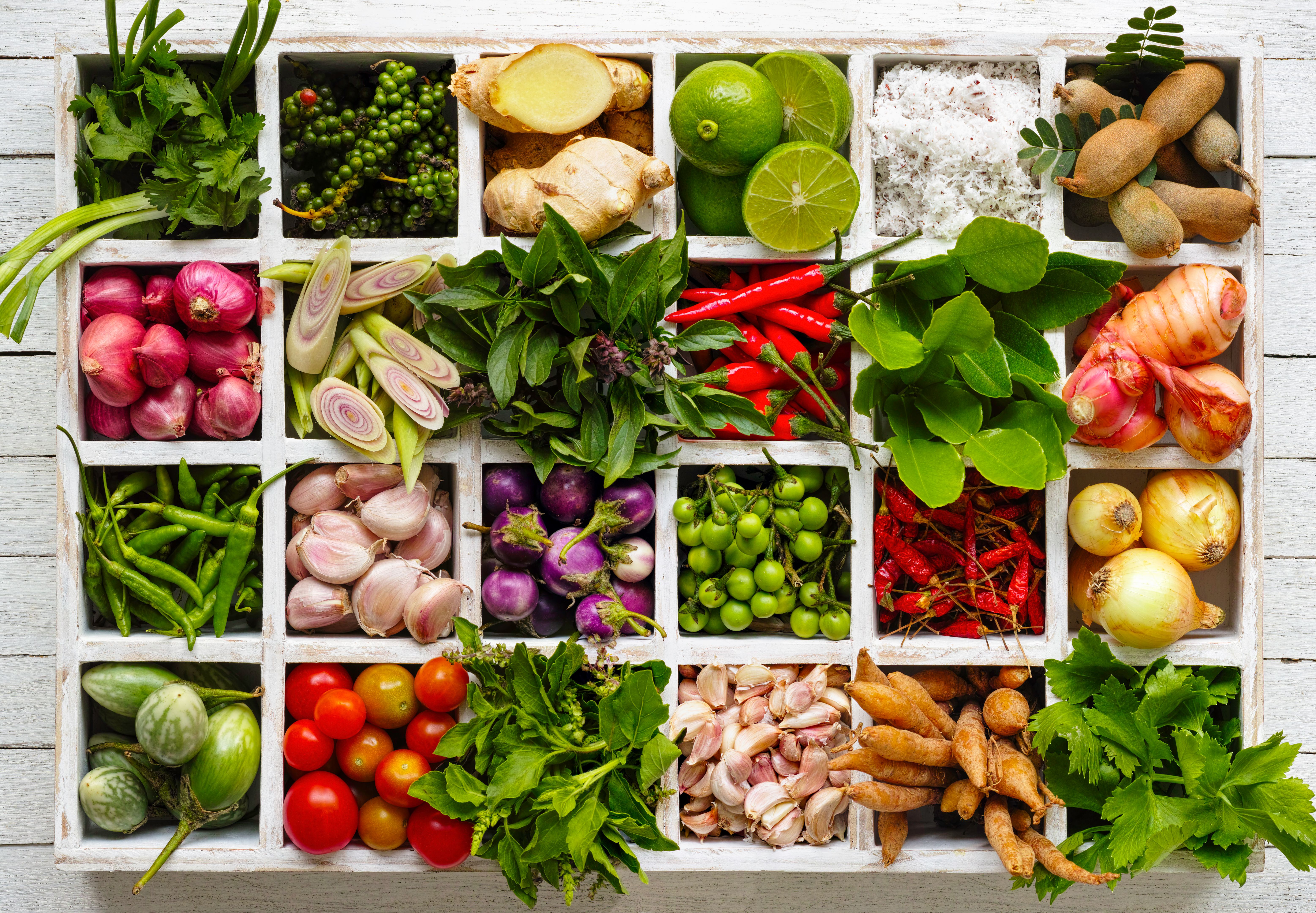
To master vegetarian Thai cooking, it's essential to understand the core ingredients. Common staples include fresh herbs like basil and cilantro, aromatic spices, and flavorful sauces such as soy sauce and tamarind. These elements form the foundation of many Thai dishes.
Additionally, incorporating vegetables like bell peppers, mushrooms, and eggplant can add texture and nutrition to your meals. Don’t forget to include tofu or tempeh as protein-rich alternatives to meat.
Balancing Flavors
Thai cuisine is all about balancing sweet, sour, salty, and spicy flavors. Achieving this balance is crucial for creating authentic dishes. Our chefs suggest starting with a base of lime juice and palm sugar to bring out the sweet and sour notes.
Adjust the heat level by adding chili peppers or paste according to your preference. Remember, the key is to taste as you go and adjust accordingly.
Mastering Cooking Techniques
Stir-frying is a popular technique in Thai cooking. It involves quickly cooking ingredients over high heat, preserving their flavor and texture. Ensure your wok is hot before adding oil and ingredients to prevent sticking.
Steaming is another healthy option, especially for vegetables. This method retains the natural colors and nutrients, making your dishes both visually appealing and nutritious.
Creating Signature Dishes
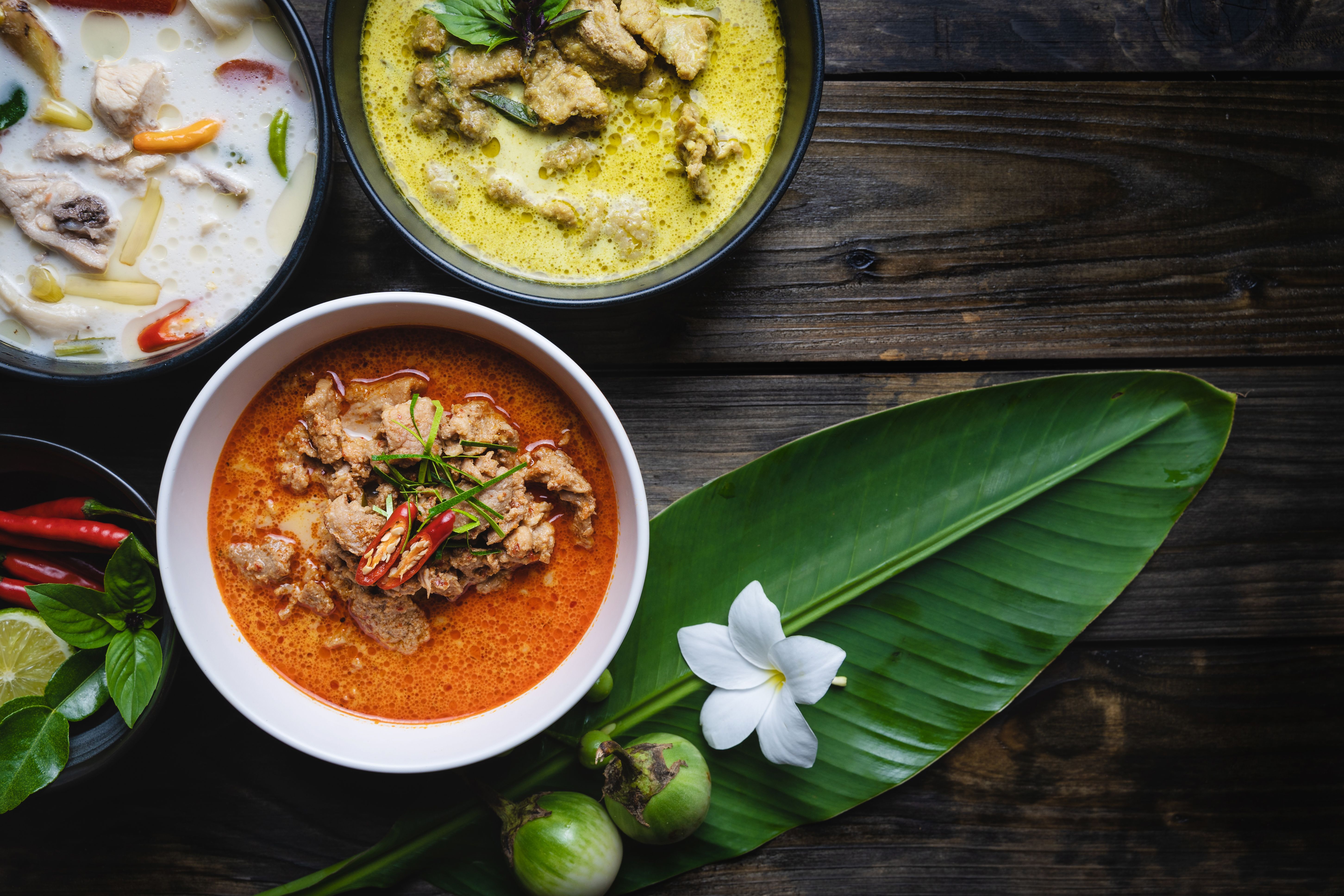
Some classic vegetarian Thai dishes you can try include Green Curry with tofu and Pad Thai with vegetables. Both are rich in flavors and relatively simple to prepare. Start by gathering all your ingredients beforehand to streamline the cooking process.
For Green Curry, use coconut milk as the base and add green curry paste for an authentic taste. For Pad Thai, ensure you have the right balance of noodles, sauce, and vegetables.
Experimenting with Flavors
Don’t be afraid to experiment with flavors and ingredients. Thai cooking allows for creativity, so try adding different vegetables or spices to make the dish your own. Experimenting can lead to delightful new flavor combinations.
Conclusion
Vegetarian Thai cooking is both an art and a science, requiring an understanding of ingredients, techniques, and flavors. By following these tips from Zaap Thai's chefs, you can create dishes that are not only delicious but also true to the essence of Thai cuisine. Enjoy the journey and happy cooking!